The Himalayas have always been considered the abode of divine energy, a place where spirituality and nature merge into a profound experience. Among the many sacred shrines nestled in these majestic mountains, Kedarnath holds a unique and powerful position. The Story of Kedarnath is not just about a temple; it is a tale of devotion, mythology, resilience, and timeless faith that continues to inspire millions of pilgrims every year.
Situated at an altitude of around 11,700 feet in Uttarakhand, Kedarnath is one of the twelve Jyotirlingas of Lord Shiva and a major part of the Chardham Yatra. Understanding the Story of Kedarnath allows travellers and devotees to connect deeply with the spiritual significance of this sacred destination before embarking on their journey.

The Mythological Story of Kedarnath: Connection with the Pandavas
One of the most popular legends forming the foundation of the Story of Kedarnath dates back to the era of the Mahabharata. After the devastating Kurukshetra war, the Pandavas sought forgiveness from Lord Shiva for the sins committed during the battle. They travelled across the Himalayas in search of Shiva, hoping to attain liberation.
However, Lord Shiva was reluctant to meet them and disguised himself as a bull (Nandi) to avoid them. When the Pandavas finally discovered his presence in the Garhwal region, Shiva attempted to disappear into the ground. It is believed that the hump of the bull appeared at Kedarnath, while other body parts manifested at different locations known collectively as the Panch Kedar temples.
This legend is central to the Story of Kedarnath, symbolising repentance, redemption, and divine grace. The temple stands exactly where the hump of Lord Shiva is believed to have emerged, making it one of the holiest pilgrimage sites in India.
Historical Roots of Kedarnath Temple
Beyond mythology, the Story of Kedarnath also has a strong historical dimension. The temple is believed to have been originally constructed by the Pandavas and later revived by Adi Shankaracharya in the 8th century. Shankaracharya played a vital role in restoring Hindu pilgrimage routes across India, and Kedarnath became an important spiritual centre during his time.
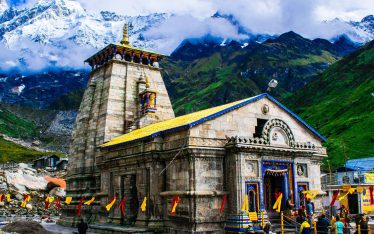
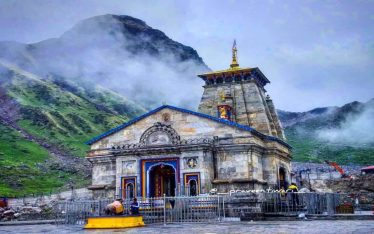
The temple’s architecture reflects ancient Himalayan design principles, built using massive stone slabs that have withstood centuries of harsh weather conditions. Despite heavy snowfall, avalanches, and even the devastating floods of 2013, Kedarnath Temple remains standing — a powerful testament to faith and resilience.
Spiritual Significance in the Story of Kedarnath
The Story of Kedarnath is deeply connected to the concept of Moksha, or liberation from the cycle of birth and death. Devotees believe that visiting this sacred shrine washes away past sins and brings spiritual awakening.
Kedarnath is not just a destination; it is an experience that transforms pilgrims emotionally and spiritually. The silence of the mountains, the sound of temple bells, and the chanting of prayers create an atmosphere unlike anywhere else in the world.
For many travellers, understanding the Story of Kedarnath adds a deeper layer of meaning to the journey, turning a physical trek into a spiritual pilgrimage.
Architecture and Sacred Design of Kedarnath Temple
The temple’s structure plays an important role in the Story of Kedarnath. Built from large grey stone slabs, the temple showcases a unique blend of ancient engineering and spiritual symbolism. The conical Shiva lingam inside the sanctum represents the divine presence of Lord Shiva.
The temple stands against the backdrop of the Kedarnath peak, surrounded by snow-covered mountains. Its isolated location enhances its mystical aura, making visitors feel as if they have stepped into a sacred realm.
Inside the temple, pilgrims can witness rituals that have been performed for centuries. The morning and evening aartis are deeply spiritual moments that allow devotees to connect with the divine energy of Kedarnath.
The Role of Nature in the Story of Kedarnath
Nature plays a powerful role in shaping the Story of Kedarnath. The Mandakini River flows near the temple, adding to its spiritual atmosphere. The surrounding glaciers, peaks, and forests create a sense of divine isolation that enhances the pilgrimage experience.
The 2013 floods marked a significant chapter in the modern Story of Kedarnath. Despite massive destruction in nearby areas, the temple itself remained largely intact — a phenomenon many devotees consider miraculous. This event strengthened the faith of millions and highlighted Kedarnath’s spiritual resilience.
Pilgrimage Traditions and Rituals
The rituals performed at Kedarnath are deeply rooted in ancient traditions. One unique aspect of the Story of Kedarnath is that the temple remains closed during winter months due to extreme snowfall. During this period, the deity is moved to Ukhimath, where worship continues until the temple reopens in spring.
Pilgrims often begin their journey from Haridwar or Rishikesh, travelling through scenic Himalayan towns before reaching the base of the Kedarnath trek. The 16-kilometre trek itself becomes a spiritual test of endurance and devotion.
Nearby Sacred Sites Connected to the Story of Kedarnath
Several nearby locations enhance the spiritual narrative of the Story of Kedarnath.
Bhairavnath Temple
Located near Kedarnath, this temple is dedicated to Bhairav, believed to protect the shrine during winter.
Triyuginarayan Temple
Known as the mythical wedding site of Lord Shiva and Goddess Parvati, it adds another layer of mythology to the region.
Vasuki Tal
A high-altitude lake offering breathtaking views and spiritual serenity for those willing to trek further.
Modern-Day Kedarnath: Faith Meets Organisation
Today, the Story of Kedarnath continues to evolve as infrastructure improves and pilgrimage management becomes more organised. Helicopter services, better trekking routes, and enhanced accommodation options have made the journey accessible to a wider range of devotees.
Despite modern developments, the spiritual essence of Kedarnath remains unchanged. Pilgrims still experience the same sense of humility and awe that travellers have felt for centuries.
Lessons from the Story of Kedarnath
The Story of Kedarnath teaches several important spiritual lessons:
- Faith and perseverance — reflected in the Pandavas’ journey.
- Humility before nature — demonstrated by the temple’s remote location.
- Resilience and hope — symbolised by the temple’s survival through natural disasters.
These lessons resonate with modern travellers who seek meaning beyond ordinary tourism.
Conclusion: Why the Story of Kedarnath Continues to Inspire
The Story of Kedarnath is a timeless narrative that blends mythology, history, and spirituality into a single powerful journey. Every stone of the temple, every prayer offered by pilgrims, and every step taken along the Himalayan path contributes to this living legend.
For devotees and travellers alike, Kedarnath represents more than a sacred destination — it is a reminder of faith, inner strength, and the eternal connection between humanity and the divine. As you plan your pilgrimage, understanding the Story of Kedarnath allows you to experience the journey not just as a traveller, but as a seeker on a path of spiritual discovery.